Turkey is where continents collide. Asia on one side, Europe on the other, and the Bosphorus strait splitting them like a zipper. I've been watching videos of riders carving through the Anatolian plateau for years. The fairy chimneys of Cappadocia. The mountain passes above Bolu. The turquoise Mediterranean coast. This is the ride where ancient history meets the open road.
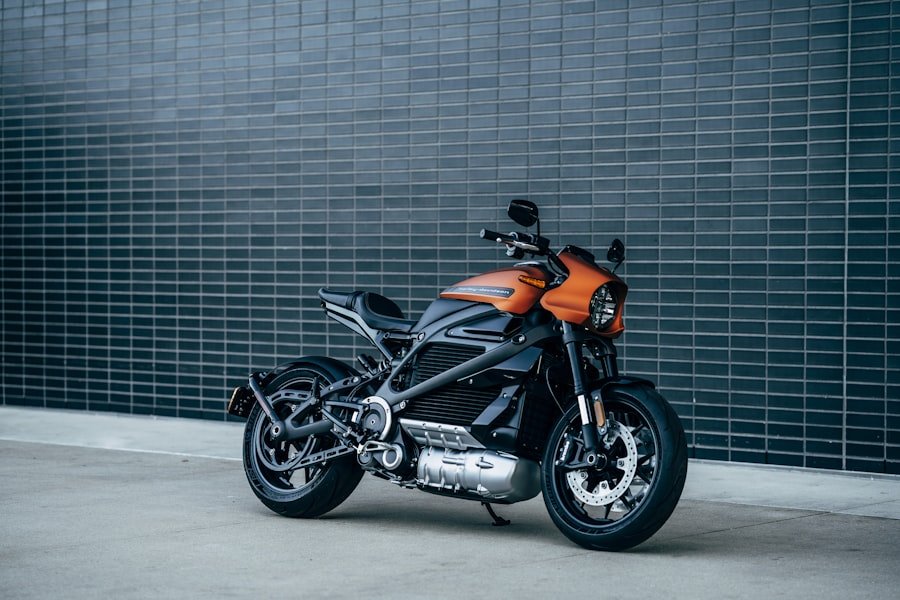
Cappadocia — where fairy chimneys and ancient history meet the open road.
And it's the most accessible plan on my list. No Sahara crossings. No Patagonian wind. Just good roads, incredible scenery, and 5,000 years of civilization rolling past your visor.
"Turkey is the country where every turn reveals a different century. One moment you're passing a Roman aqueduct, the next a Seljuk caravanserai, the next a modern highway tunnel. All on the same road."
The Route Plan
Planned Route — West to East to South
- Start: Istanbul (European Side) — Cross the Bosphorus Bridge at dawn. Asia begins on the other side. The symbolism isn't lost on me.
- Leg 1: Istanbul → Bolu — 300 km through the forests of the Black Sea region. The D655 highway through Abant Lake is one of Turkey's best riding roads. Cool air, pine forests, hairpins.
- Leg 2: Bolu → Ankara — 200 km across the Anatolian steppe. Stop at Ataturk's mausoleum (Anıtkabir) — you can't ride through Turkey without paying respects.
- Leg 3: Ankara → Cappadocia — 300 km southeast. The landscape transforms: flat steppe gives way to volcanic formations. First sight of the fairy chimneys hits different from a motorcycle.
- Leg 4: Cappadocia Loop — Göreme, Ürgüp, Derinkuyu underground city, Ihlara Valley. 2-3 days exploring. Hot air balloons at sunrise while your bike rests.
- Leg 5: Cappadocia → Mediterranean Coast — 400 km south through the Taurus Mountains. The descent from 1,200m to sea level in 50 km. Antalya or Kaş for the finish.
- Optional: Coast Run — Antalya → Fethiye → Ölüdeniz along the D400. Turkey's answer to the Amalfi Coast, but with less traffic and better kebabs.
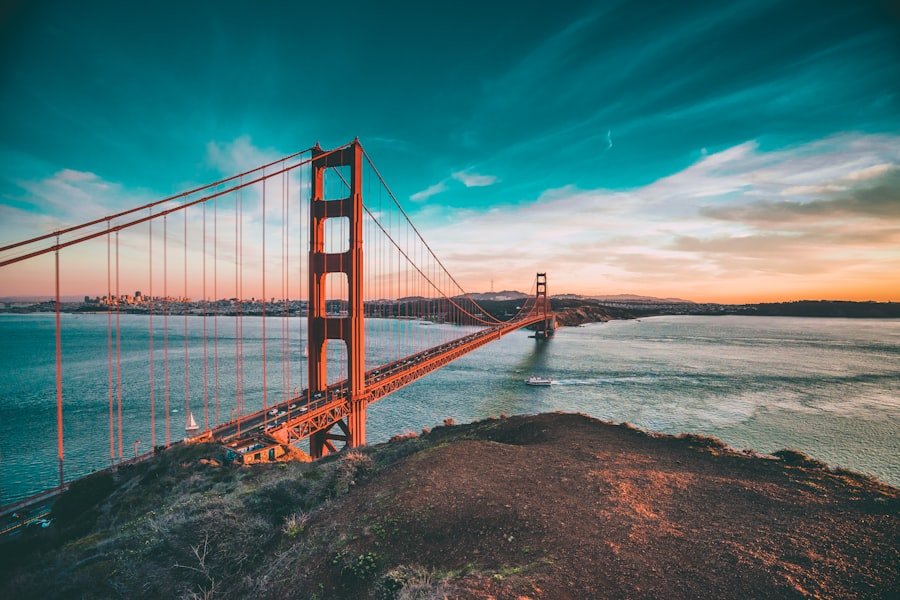
The Anatolian plateau — endless roads, ancient lands.
Why Turkey Is Perfect for Motorcycles
Infrastructure: Turkey has excellent roads. Major highways are well-maintained, fuel stations are plentiful (rarely more than 50 km apart), and roadside mechanics understand motorcycles. This isn't the Sahara — you're never truly stranded.
Cost: Turkey is significantly cheaper than Western Europe. A night in a cave hotel in Cappadocia costs what a hostel bunk costs in Paris. Fuel is more expensive than neighboring countries, but food and accommodation make up for it. A full Turkish breakfast (kahvaltı) for $3 is the best pre-ride fuel on Earth.
Culture: Turks love motorcycles. Pull over at any town and you'll have people offering you tea (çay) within 5 minutes. The hospitality is legendary — and genuine. I've heard stories of riders being invited to dinner by complete strangers multiple times on a single trip.
Variety: In 1,800 km you cross from European Istanbul to the volcanic moonscape of Cappadocia to the Mediterranean coast. That's three completely different worlds in under a week.
Cappadocia — The Main Event
The fairy chimneys of Cappadocia are volcanic rock formations carved by erosion over millions of years. Early Christians carved churches and entire underground cities into them. The region has been inhabited continuously for thousands of years.
Riding through the valleys between these formations on a motorcycle is a surreal experience. The roads wind between towering rock pillars that look like they belong on another planet. At sunrise, hundreds of hot air balloons fill the sky above Göreme — it's one of the most photographed scenes in the world, and seeing it from the seat of a motorcycle adds a dimension no balloon can match.
Derinkuyu is an ancient underground city that extends 8 levels deep and could shelter 20,000 people. Ihlara Valley is a 14 km canyon with rock-cut churches hidden in its walls. This region alone justifies the entire trip.
Preparation Notes
- Bike: Almost any motorcycle works for this route. Roads are mostly paved. An adventure bike is nice-to-have, not need-to-have. Even a sport-tourer would handle this.
- Season: April-June or September-October. July-August is scorching on the Anatolian plateau (40°C+). Spring has wildflowers and cool mornings.
- Documents: Most nationalities get a 90-day e-visa online. Motorcycle insurance (green card) covers Turkey if issued in Europe. Otherwise, buy mandatory insurance at the border — cheap and fast.
- Language: Turkish, but English is widely understood in tourist areas. Learning basic Turkish (merhaba, teşekkürler, çay lütfen) goes a long way.
- Navigation: Google Maps works perfectly. Offline download Cappadocia and mountain regions in advance.
- Must-try: Testi kebab in Cappadocia (cooked in a clay pot, smashed open at the table). Turkish breakfast. Ayran (cold yogurt drink) at fuel stops.
The Bigger Picture
Turkey is Plan #3, but it might be the ride I do first. It's practical. The roads are good. The distances are manageable. And it scratches the itch — that need to cross a continent line, to ride through history, to taste something ancient and real.
Africa is the epic. Patagonia is the dream. Turkey is the doable one. And sometimes the doable one is exactly what you need to build momentum for the impossible ones.
Sources & Inspiration
- Motorcycle-Diaries.com — Turkey Roads — Curated riding routes and POI across Turkey
- Horizons Unlimited — Turkey Forum — Real rider reports and practical border crossing info
- Go Türkiye (Official Tourism) — Route planning, attractions, and regional guides
- ADVRider Turkey Ride Reports — Community ride reports and gear advice