For almost half a century, women in Iran were forbidden from riding motorcycles. Not because they couldn't. Not because they didn't want to. Simply because they were women. This is the story of those who refused to accept that answer — and eventually won.
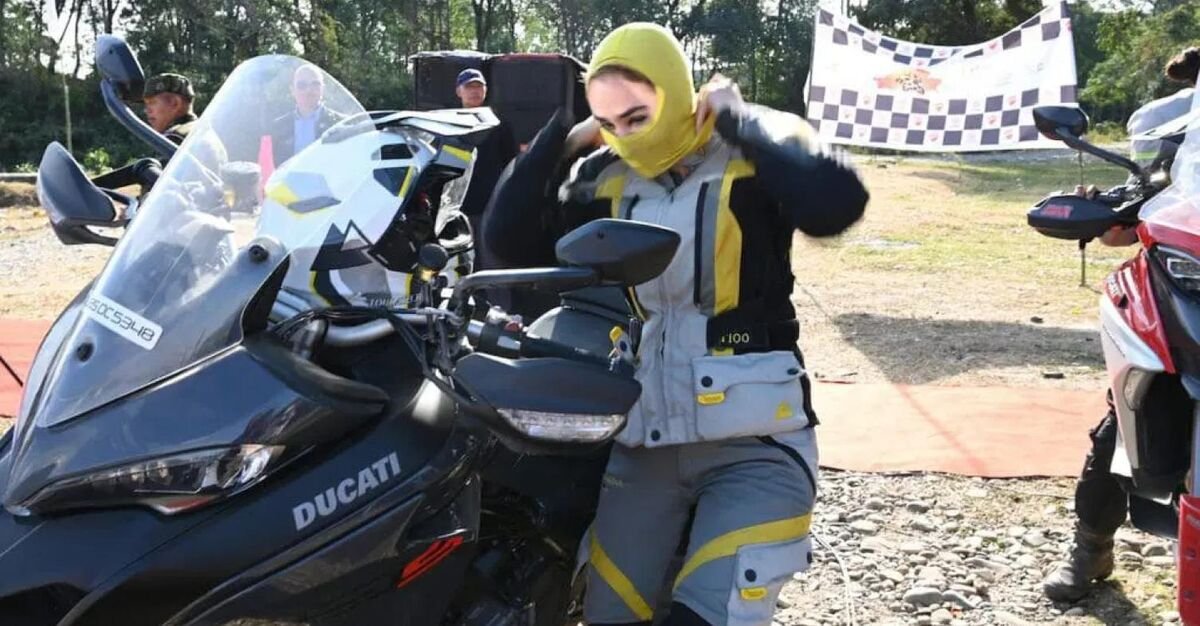
Gearing up. For decades, this simple act was an act of defiance.
The Ban
Before the 1979 Islamic Revolution, women in Iran had the legal right to ride motorcycles. That changed overnight. The new regime imposed strict regulations, and while women could still drive cars, motorcycle licenses became exclusively available to men. The traffic code was rewritten to specify that motorcycle licenses would be issued for "men" only — a single word that locked millions of women off two wheels for nearly five decades.
The reasoning was never about safety. In 2016, Supreme Leader Ali Khamenei stated that women riding motorcycles in the presence of unrelated men "could lead to corruption" and should be avoided. The ban was cultural, political, and deeply personal.
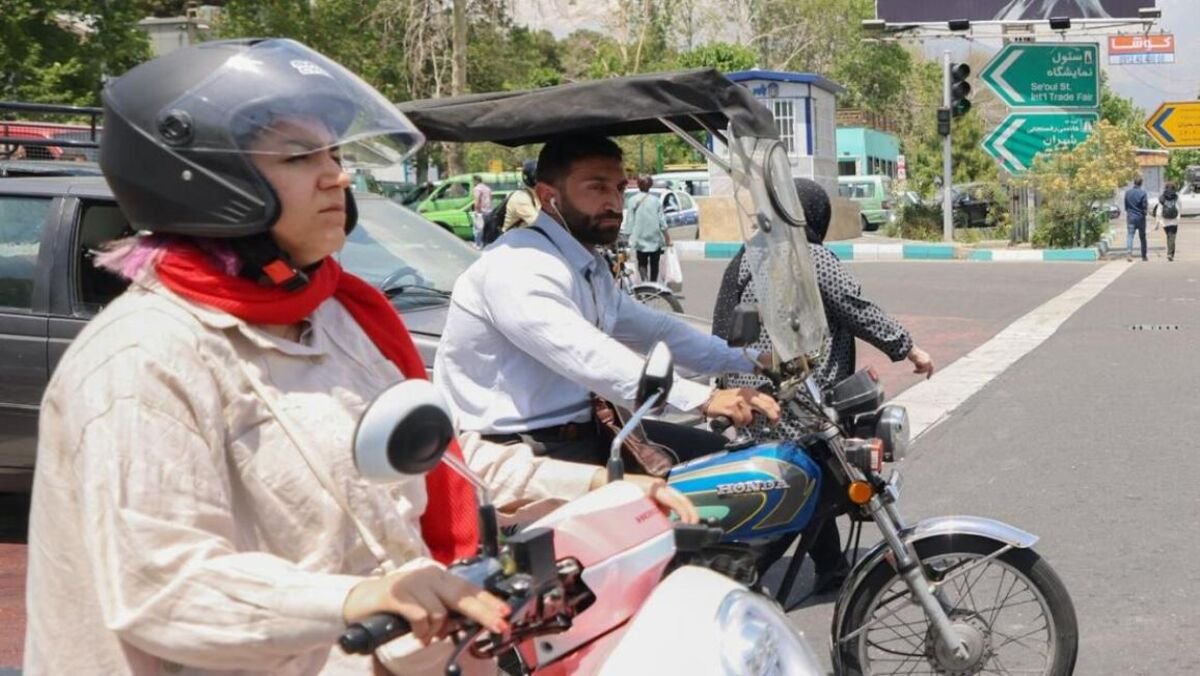
On the streets of Isfahan — riding despite the ban.
Those Who Never Stopped
Laws can forbid, but they cannot erase desire. Despite the ban, thousands of Iranian women continued to ride. In the streets of Tehran, Isfahan, and Shiraz, women on motorcycles became a quiet act of rebellion — visible, defiant, and unstoppable.
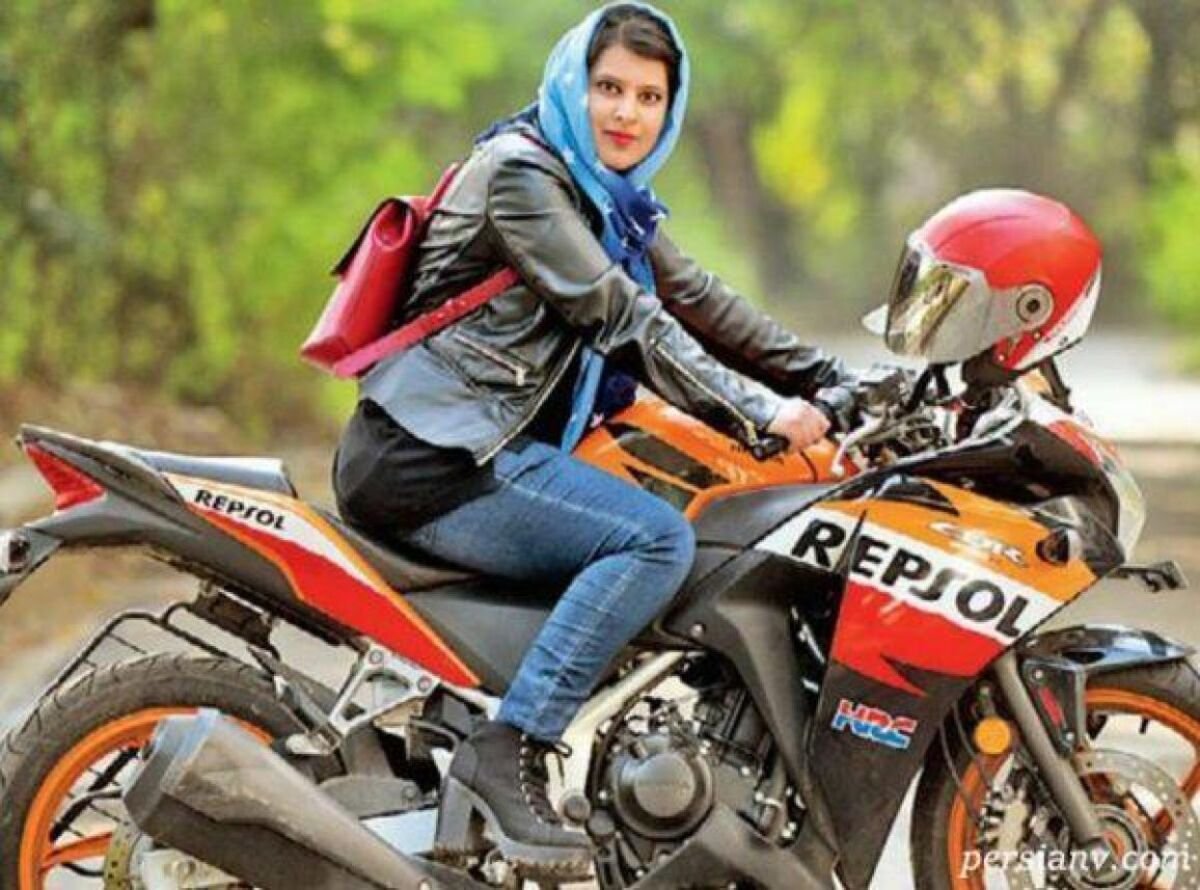
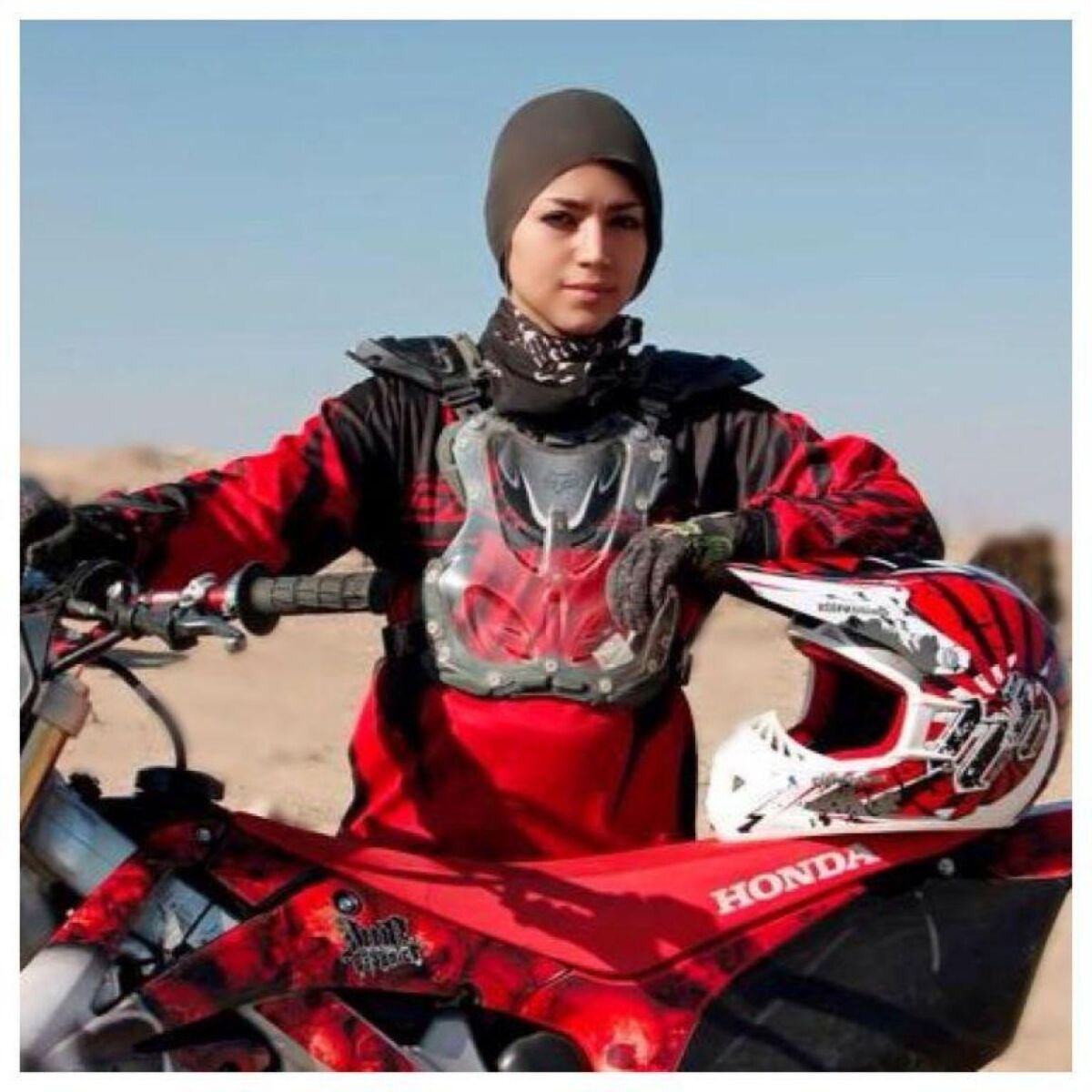
Left: Riding without a license, without insurance, without legal protection. Right: Racing was allowed — but riding to the grocery store was not.
Here's the absurdity: women were permitted to compete in motorcycle races as a sport. Motocross, enduro, track racing — all legal. But riding a motorcycle on a public road to get to work? Criminal.
"A motorcycle doesn't care who's riding it. The wind doesn't check your gender. The road doesn't ask for your papers."
The Fighters
Some women didn't just ride in silence — they fought back publicly.
Fatemeh Eftekhari from Isfahan won a court ruling in 2019 granting her the right to a motorcycle license. It was a landmark victory. Then, in 2020, the decision was overturned and her license was revoked. She was even attacked for appearing in public wearing motorcycle gear. She lost the legal battle but won something larger: she proved the ban could be challenged.
Nora Naraghi, an Iranian motorcycle racer from the Baha'i religious minority, became a symbol of resistance. Her mother, Shahrzad Nazifi, was the first woman to hold an official motocross ranking in Iran — and was imprisoned for her advocacy. Nora carried the fight forward, one race at a time.
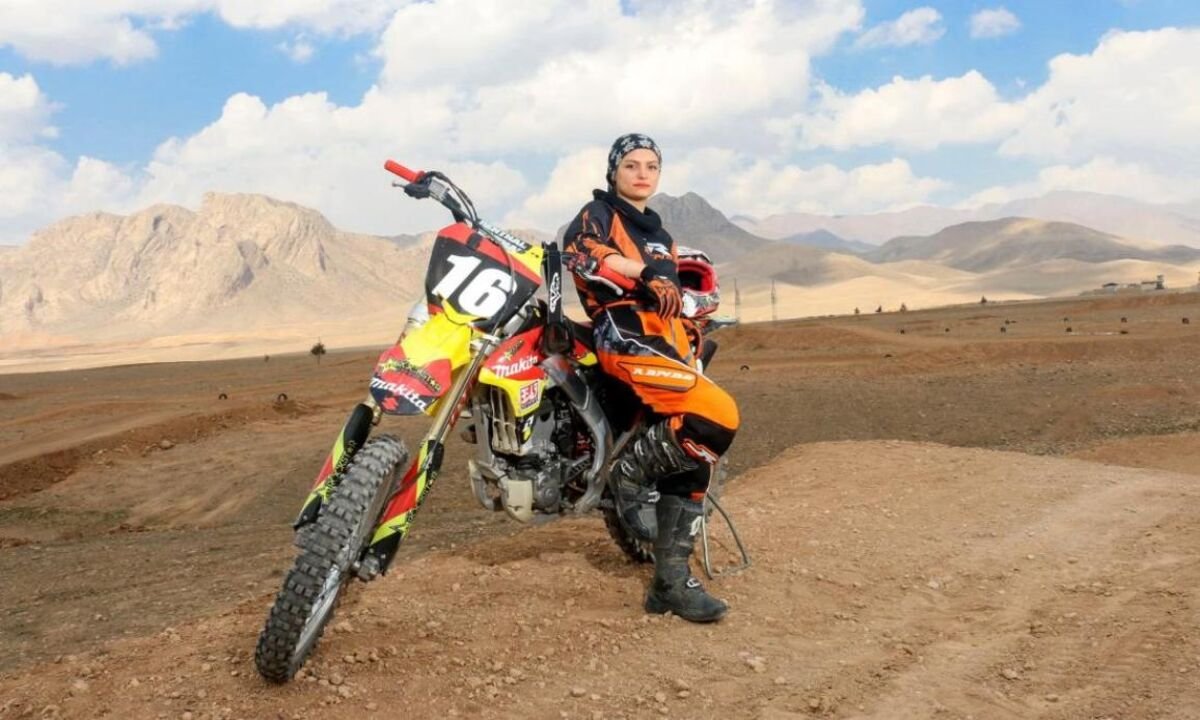
An Iranian woman motocross racer. Racing was permitted — commuting was not.
The Timeline
Islamic Revolution. Women's motorcycle licenses banned. The traffic code specifies licenses for "men" only.
Supreme Leader Khamenei declares women riding motorcycles "could lead to corruption."
Fatemeh Eftekhari wins a court ruling for a motorcycle license in Isfahan. A historic first.
The ruling is overturned. Eftekhari's license is revoked. She is attacked for wearing riding gear.
The Mahsa Amini protests erupt. Women ride motorcycles openly without hijab. Images spread worldwide.
Vice President for Women's Affairs announces work is being done to allow women motorcycle licenses. Hope rises.
Interior Minister says the issue "is not on the government's agenda." Hope fades.
A new bill reaches parliament to officially allow women motorcycle licenses, citing insurance concerns for unlicensed riders.
Vice President Mohammad Reza Aref signs the amendment. The ban is officially lifted. Women can legally ride.
That's how long Iranian women waited for the right to legally ride a motorcycle. From 1979 to 2026. Nearly half a century of resistance, defiance, and unbreakable spirit.
Why This Matters
This isn't just an Iranian story. This is every rider's story. The freedom to ride — to feel the road beneath you, to lean into a corner, to feel the wind and know that you are alive — is not a privilege granted by governments. It's a human right.
For 47 years, a law tried to separate women from motorcycles. It failed. Women rode anyway. They raced anyway. They fell, got back up, and rode again. And when the law finally caught up with reality on February 3, 2026, it wasn't the law that changed the women. The women changed the law.
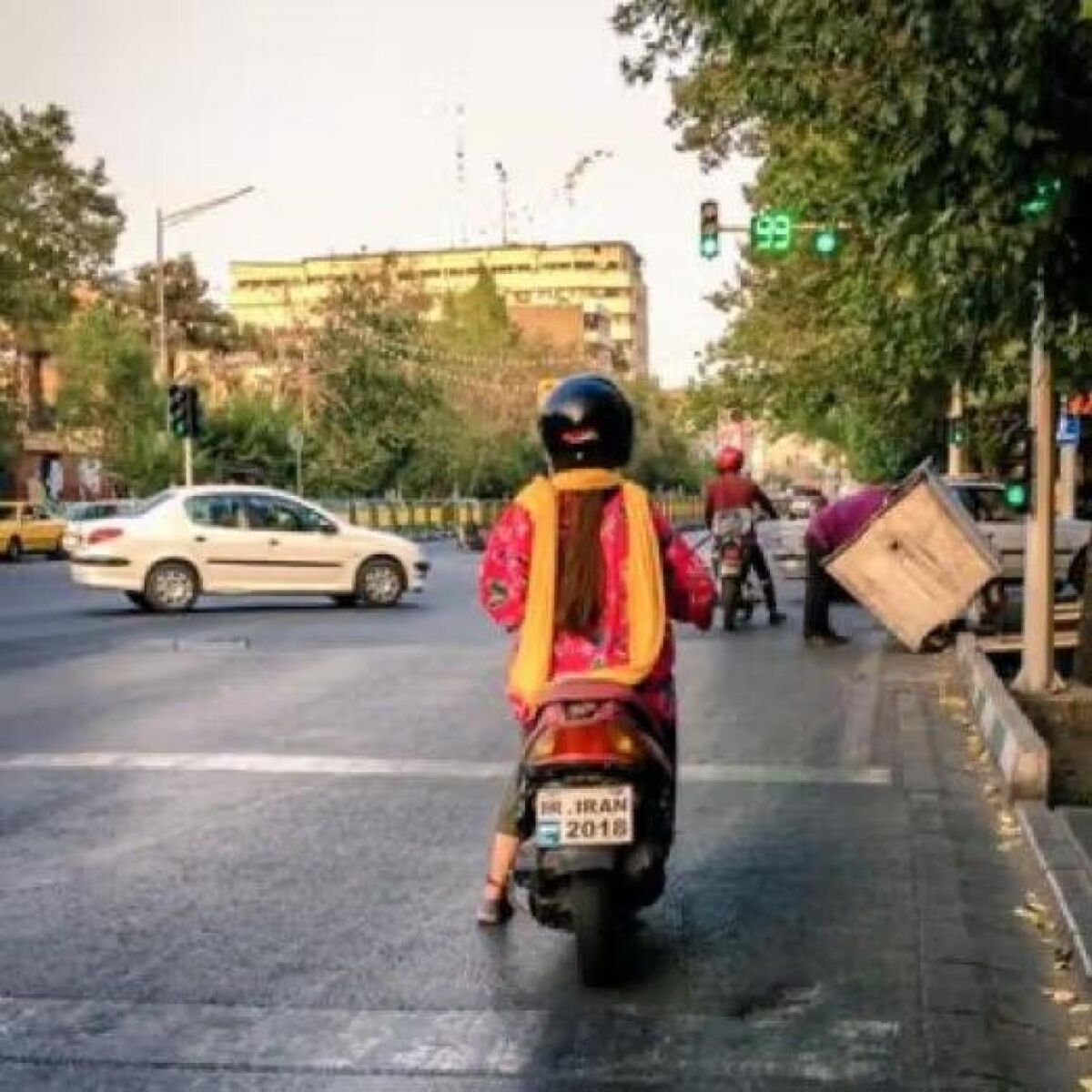
The next generation of Iranian riders. Free. Legal. Unstoppable.
"Two wheels. One road. No exceptions. Freedom belongs to everyone who dares to ride."
What We Celebrate
- Courage over compliance: Every woman who rode illegally for 47 years chose freedom over obedience.
- Racing as resistance: Competing on track while being denied the road showed the world the absurdity of the ban.
- Persistence wins: Eftekhari lost her license but planted a seed. Naraghi raced while her mother sat in prison. They never stopped.
- The road doesn't discriminate: Asphalt doesn't care about gender, religion, or politics. It only asks that you ride.
Source & Further Reading
- MOTOMAG — The fight of Iranian women for motorcycle licenses (Original article, Greek)
- MOTOMAG.gr — Greece's leading motorcycle magazine